
2026 municipal election · Candidate profiles
Parris Williams is on the ballot and on his own
Strangers helped him get on the ballot. The independent council candidate is running on ideas shaped by his work and recovery, with costs and partners still to be worked out.
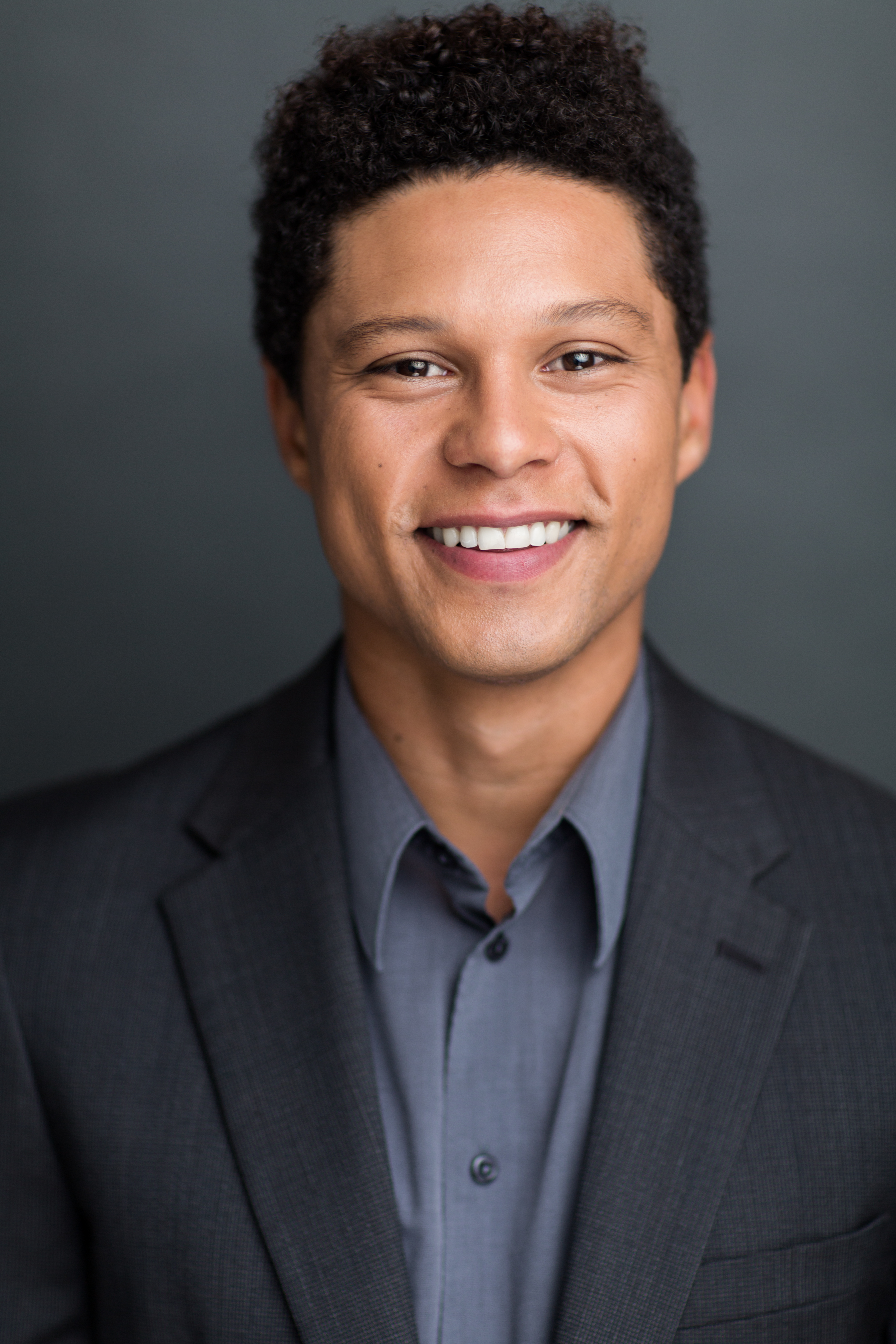
The first surprise of Parris J. Williams's Council campaign was who signed. He needed 25 eligible nominators to get on the ballot. Some people he expected to sign did not. Others were strangers: “People that I don't even know read my website and signed right away and then got other people to sign it too.” He was learning how to ask for public support before his name was even on the ballot.
Williams came from Victoria to Vancouver in 2022. His work has taken him through acting, independent filmmaking, a Gastown shop and, now, delivery driving. Running for office is new to him. So is campaigning without a slate to provide volunteers, money or a familiar name beside his on the ballot.
He considered joining a party but wanted to learn the job without being tied to its platform. As an independent, he said, he could “have the freedom to look each issue individually.” He is financing the run himself and relying mainly on word of mouth. He did not give a spending figure.
The most personal part of his platform begins with a three-month rehab stint his parents paid for. They were able to get him in the next day, an option he knows many people do not have. Williams described years of uneven mental health care and, later, alcohol addiction. The experience made him question what happens after a fixed program ends, especially when someone relapses and needs support again.
His answer is a three-stage housing and support model for people dealing with substance use. “When you get to stage three, you never ever have to leave it if you don't want to, because recovery takes a lot of time,” he said. Its practical shape is less clear: the campaign has named no site, budget or care provider. Council could help create housing, but treatment and continuing care would require health-system partners.
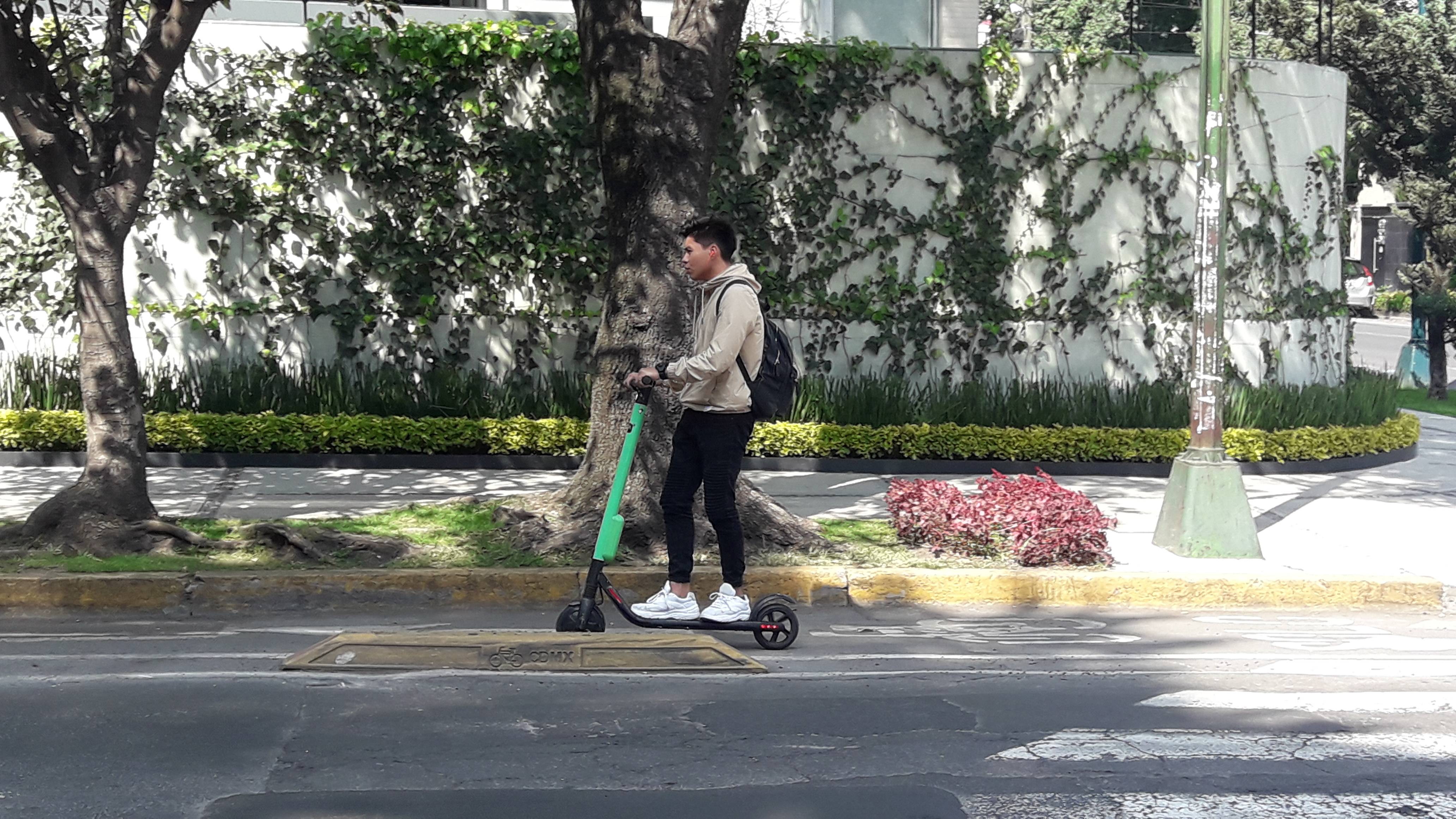
The delivery routes supply another idea. Williams drives a car, but he has watched young people crowd onto scooters in traffic. He wants physically separated routes for scooters, e-bikes and mobility devices, linking schools, community centres, parks and transit. He mentioned the area around King Edward Avenue, Fraser Street and Hillcrest Community Centre as one place to start. The campaign calls it a Personal Electric Vehicle network. It has yet to show a route map or explain how the network would connect with existing protected bike lanes.

Then there is his idea for a city-owned grocery store. Williams points to B.C.'s public liquor and cannabis stores and asks why government could not take a role in selling food. “It's essential to be able to feed people at a reasonable cost,” he said. He suggests the City and province could work together, perhaps using a city-owned building. How the store would be funded and run remains to be worked out.

In a separate Side Street questionnaire, Williams answered all 16 election compass statements. His choices add detail to the platform: he favours reducing parking requirements near major transit, prefers four or five storeys for low-rise buildings, and opposes selling or leasing city land as the answer to the housing shortage. Read his answers and explanations in full. They are his own positions, separate from Side Street's party comparisons.
Williams talks about this campaign as a first attempt and says winning a seat this time is unlikely. “In four years, you just never know what could happen,” he said. Vancouver votes on October 17, with Williams at number 143 on the Council ballot. He can tell voters where the proposals came from. For this campaign, he still has to show what they would cost and who would help carry them out.